
The Compact Cassette
Mixtapes, pencils and pocket-sized music. Philips launched the compact cassette in 1963. It went on to give the world the mixtape, the car stereo singalong and the pencil rewind trick.
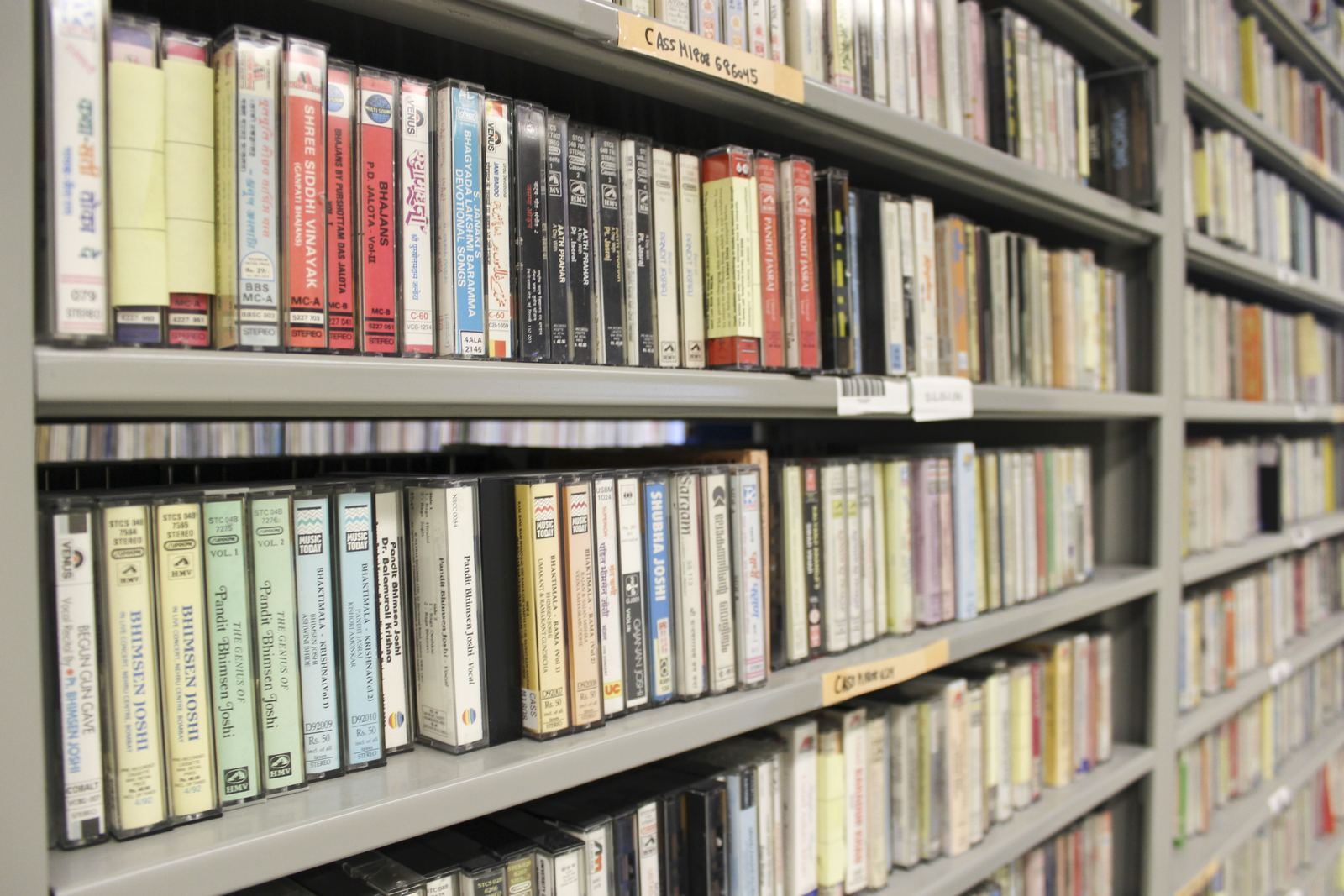
Cassettes in the University of Illinois music library: University of Illinois Library, CC BY 2.0
A block of wood in a jacket pocket
The cassette started with a simple brief: make a tape recorder small, cheap and easy enough for anyone to use. At Philips in Hasselt, Belgium, engineer Lou Ottens led the team. He cut a block of wood to fit his jacket pocket and used it as the target, and that block became the model for the first portable cassette recorder, the EL 3300.
Philips introduced the compact cassette in August 1963 at the Berlin Radio Show. It reached the United States the next year under the Norelco brand. Crucially, Philips licensed the format freely to other manufacturers, which is a big reason it spread so far and so fast.
From dictation tool to music machine
Early cassettes were aimed at speech, things like dictation and recording meetings, and the sound was nothing special. Better tape and electronics changed that. Chromium dioxide tape arrived in 1970, and Dolby B noise reduction was common by the mid-1970s, cutting the hiss that once gave cassettes away. Running at just 1 7/8 inches per second, the little tape now sounded good enough for music lovers.
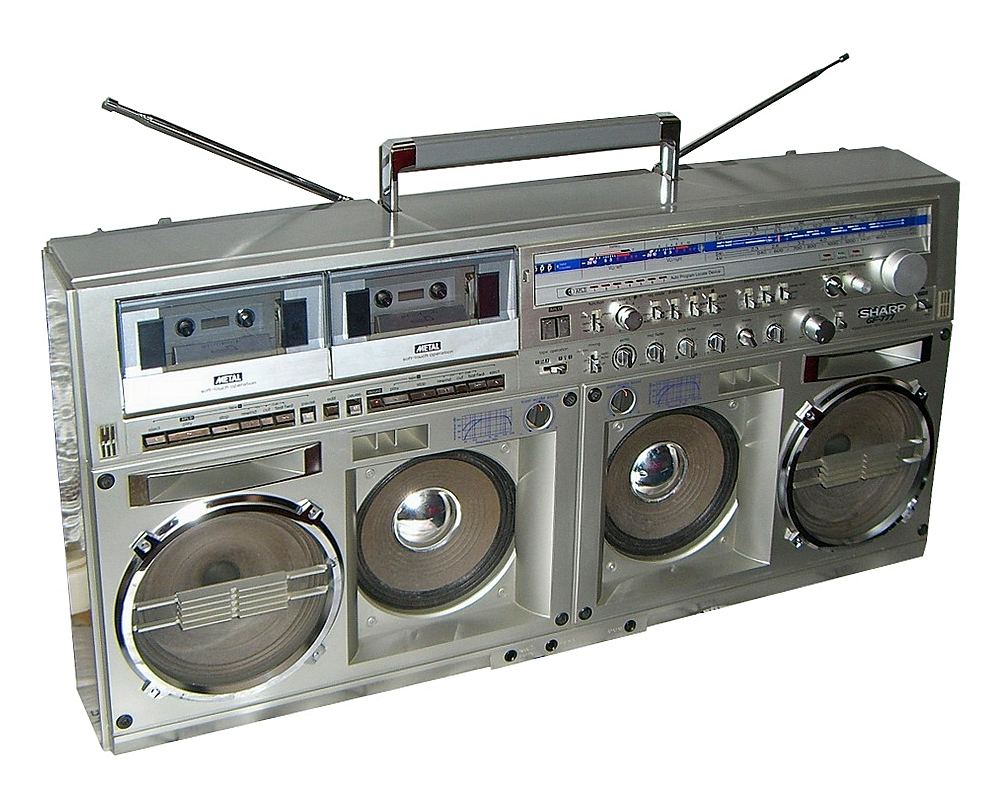
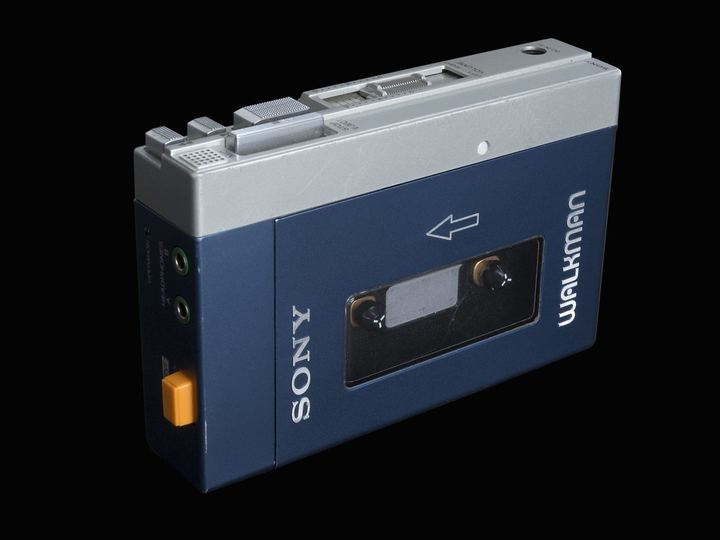
Once car stereos, boomboxes and the Walkman joined the party, the cassette was everywhere. In the United States it was the most popular music format from 1983 to 1992.
The art of the mixtape
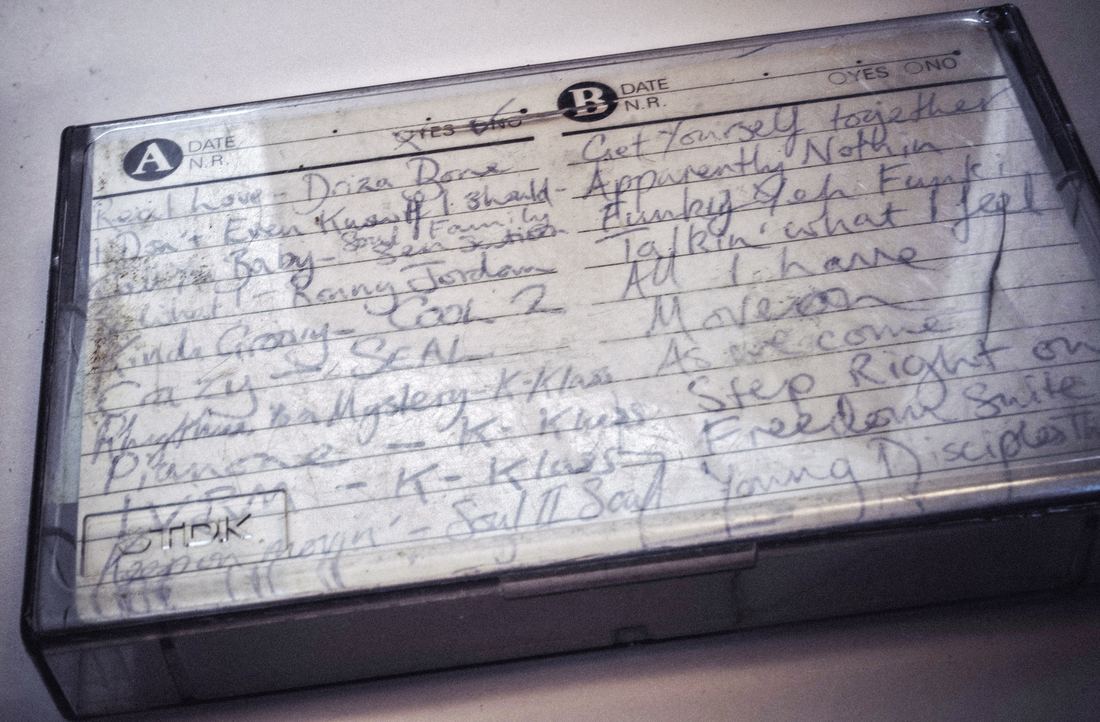
The cassette's real superpower was that you could record on it. Fans taped songs off the radio with a finger hovering over the pause button, dubbed albums from friends and built mixtapes for road trips, crushes and parties. Choosing between a C60, with 30 minutes a side, and a C90, with 45, was a serious decision. So was the handwritten track list on the card inside the case, ideally in your neatest letters.
A mixtape was a message. The order of the songs, the opener on side B and the last track before the tape ran out all said something about the person who made it.
Every OG knows the pencil trick
Ask anyone who grew up with tapes and they will tell you: a six-sided pencil fits neatly into a cassette hub. Spinning it by hand wound loose tape back in and saved the batteries in your player. When a deck chewed a tape, a pencil plus a little patience could often bring it back to life.
Lou Ottens later helped steer Philips toward the compact disc, the format that would eventually replace his own invention. But cassettes never fully disappeared, and new tapes still turn up at record stores and merch tables today.
- Cassettes in the University of Illinois music library: University of Illinois Library, CC BY 2.0
- A handwritten mixtape from the early 1990s: antony_mayfield, CC BY 2.0
- The Sharp GF-777 boombox: Sharpoff at Russian Wikipedia, Public domain
Text written by Original General.
.jpg)

.jpg)