
VHS and the Video Rental Era
Be kind, rewind. From JVC's first VHS recorder in 1976 to Friday night trips to the rental store, here is how the videotape put movies in every living room.
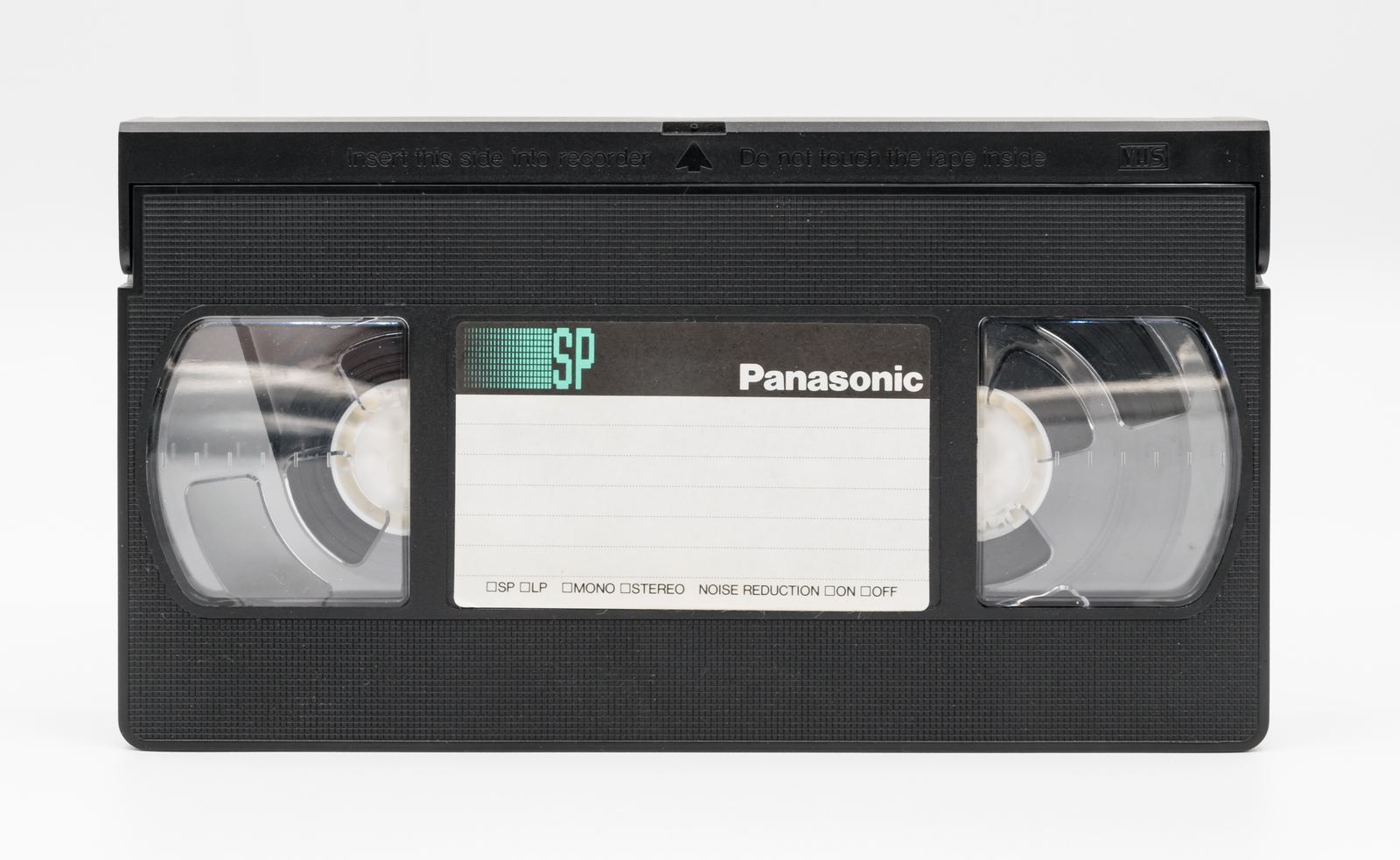
A classic VHS videocassette: Jacek Halicki, CC BY-SA 4.0
JVC's two-hour tape
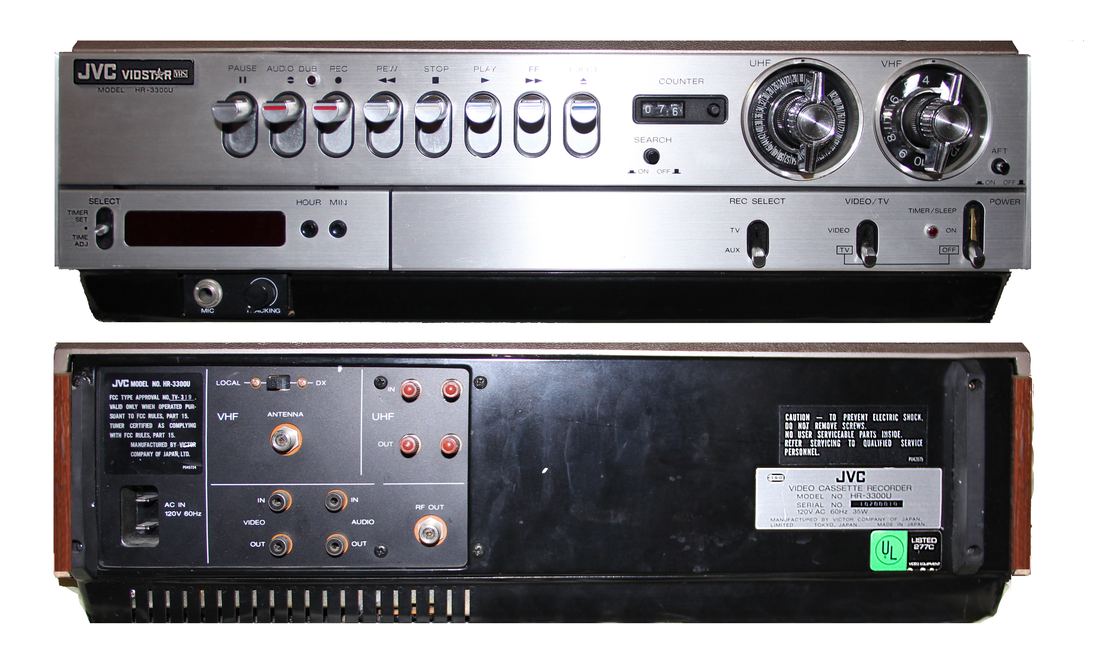
Recording TV at home was out of reach for most families until the mid-1970s. Sony moved first with Betamax in 1975. A year later, on September 9, 1976, JVC introduced its rival format, VHS, short for Video Home System, along with the Victor HR-3300 recorder. The cassettes held half-inch-wide tape inside a chunky plastic shell.
The key difference was time. Early Betamax cassettes held about an hour, while the first VHS machines could record for two hours. Two hours was enough for a full movie or a big game, and that mattered a lot to ordinary buyers.
The great format showdown
For a few years shoppers had to pick a side, and plenty of families picked the one that lost. Betamax had loyal fans who praised its picture, but VHS had longer tapes and a wide group of companies building machines for it. The first VHS deck in the United States, the RCA VBT200, went on sale on August 23, 1977. By 1980 VHS had about 60 percent of the North American market, and it kept pulling ahead until it was simply the standard.
Owning a VCR changed how people watched TV. You could tape a show and watch it later, keep a library of favorites, and fast-forward through what you did not want to see.
Friday nights at the video store
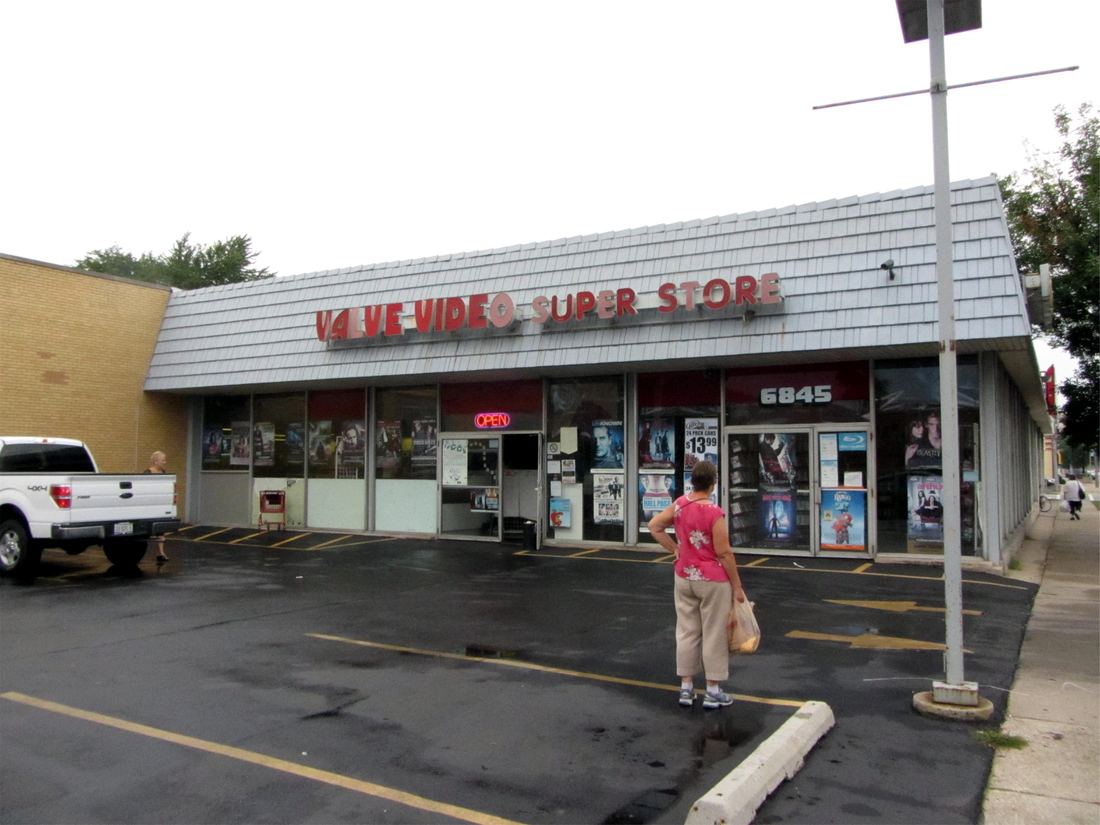
The VCR also created a new ritual: the trip to the video store. Independent shops popped up in strip malls everywhere, with walls of boxes sorted by genre, a new releases wall that was always picked over, and a counter stacked with candy and popcorn. The first Blockbuster store opened in Dallas on October 19, 1985, and at its peak in 2004 the chain ran 9,094 stores worldwide.
Every renter knew the rules. Bring it back on time or pay a late fee. And be kind, rewind, because the next person did not want to start their movie at the closing credits. Stickers with that slogan turned up on rental tapes everywhere.
Fade to black
DVDs, rental kiosks, discs by mail and streaming slowly emptied the shelves. Blockbuster filed for bankruptcy in September 2010, and Funai, the last company still making VCRs, stopped production in July 2016. One franchised Blockbuster store in Bend, Oregon, is still open and has become a pilgrimage spot for fans of the format. Plenty of OGs still have a box of tapes in the closet, home recordings and taped TV shows labeled in marker, waiting for one more play.
- A classic VHS videocassette: Jacek Halicki, CC BY-SA 4.0
- The JVC HR-3300U, US version of the first VHS recorder: Groink, CC BY-SA 3.0
- A video rental store in Berwyn, Illinois: David Wilson from Oak Park, Illinois, USA, CC BY 2.0
Text written by Original General.
.jpg)

